Gene Therapy
Gene therapy is the introduction of genetic material into cells for therapeutic purposes. Recent scientific breakthroughs in the genomics field and our understanding of the important role of genes in disease has made gene therapy one of the most rapidly advancing fields of biotechnology with great promise for treating inherited and acquired diseases.
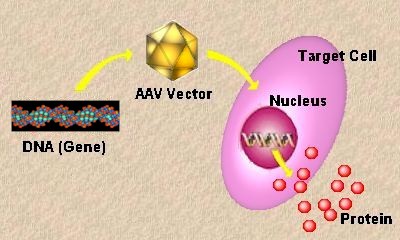
Many human diseases are caused by the absence or inappropriate presence of a protein. Biotechnology's first promise was to isolate and produce these natural proteins through genetic engineering and recombinant technology. The protein could then be administered to patients in order to compensate for its absence. Because proteins are not orally available, biotech companies focused on innovative methods of protein delivery and sustained drug delivery. Today, gene therapy is the ultimate method of protein delivery, in which the delivered gene enters the body's cells and turns them into small "factories" that produce a therapeutic protein for a specific disease over a prolonged period.
As gene therapy has moved from the laboratory into the clinic, several issues have emerged as central to the development of this technology: gene identification, gene expression and gene delivery. Gene identification was originally tackled by academic researchers supported by the government's Human Genome Project and more recently through genomics companies. A number of disease-related genes with direct clinical have already been identified, and this number is growing as the field rapidly advances. Some of these genes are in the public domain and some are proprietary. Genes with broader clinical application are also being utilized to make cells express immune activating agents locally at the disease site or to become susceptible to further drug treatment or to immune response recognition.